Overseas


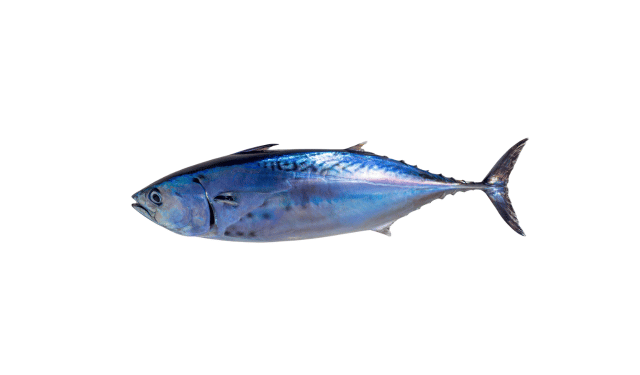
“Red little tuna” is not a scientifically correct species name. In Italian commercial denominations, little tunny refers to Euthynnus alletteratus, also known as Atlantic little tunny, while bluefin tuna refers to Thunnus thynnus. They are two different species within the Scombridae family. A young bluefin tuna remains bluefin tuna; it does not become little tunny because of its smaller size. Correct naming protects consumers, supports responsible operators and strengthens transparency across the seafood supply chain.ù
In the seafood sector, words are never neutral. A name can enhance a product, tell its origin and help consumers make informed choices. But it can also create confusion, especially when it enters commercial language without being supported by the correct identification of the species. This is the case with the so-called “red little tuna”, an expression that sounds immediate and apparently clear, but is biologically inaccurate.
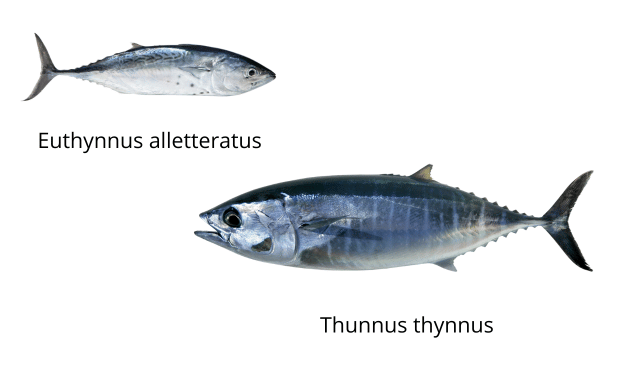
The point must be made carefully: “red little tuna” is not a separate species. It does not correspond to an independent scientific name and should not be used as if it identified a fish different from other tunas and tuna-like species. In Italian commercial denominations, little tunny, Euthynnus alletteratus, is listed as little tunny or alletterato; bluefin tuna, Thunnus thynnus, is listed as tuna or bluefin tuna. They are two different species, both belonging to the Scombridae family, but they are not interchangeable.
The misunderstanding arises because the word “little tuna” is often associated with a smaller fish, similar in shape to larger tunas. If the product is truly little tunny, the correct name is little tunny. If, on the other hand, it is a young specimen of bluefin tuna, its smaller size does not change the species. A young bluefin tuna remains bluefin tuna. It does not become “little tuna” for reasons of convenience, marketing or storytelling.
This distinction is not only relevant to biologists or control authorities. It concerns the market, restaurants, distribution, consumers and the credibility of the entire seafood supply chain. In seafood, the name is the first identity document of the product.
Why “red little tuna” is an ambiguous name
The expression “red little tuna” seems to work because it combines two familiar words. On one side, “little tuna” suggests a smaller, more accessible fish, often perceived as Mediterranean and local. On the other, “red” immediately recalls bluefin tuna, one of the best-known, most valuable and most regulated species in the Mediterranean.
This is precisely what makes the expression misleading. It may be used in good faith to describe a small tuna-like fish, but it can also create confusion between different species. At best, it weakens the identity of little tunny, which is presented through an inaccurate name. At worst, it can make the identification of young bluefin tuna less clear.
Little tunny has its own biological and commercial value. It is not a “small bluefin tuna” and it is not a lesser version of tuna. It is a distinct adult species, present in the Mediterranean, well known to fishing communities and interesting from a gastronomic point of view. Its meat has a strong flavour, good culinary versatility and a profile that could be better promoted through more precise communication.
Calling it by its correct name does not make language heavier. It restores the product’s identity. Consumers do not need a suggestive but inaccurate name; they need to know what they are buying. And responsible operators do not need shortcuts. They need a seafood supply chain that is clear, coherent and defensible.
Little tunny is not a young bluefin tuna
Little tunny, Euthynnus alletteratus, can be distinguished from bluefin tuna through recognisable morphological characteristics. One of the most evident features is its back, which shows dark, oblique and broken lines, especially on the rear part of the body. These irregular markings, almost graphic in appearance, help identify the species.
Another useful feature is the presence of dark spots in the area between the pectoral and pelvic fins. These small dots, generally visible on the lower side of the body, are one of the distinctive traits of little tunny. Its body is compact and muscular, built for fast swimming, but its size remains far from that of an adult bluefin tuna.
Bluefin tuna, Thunnus thynnus, has a different structure, a different biological cycle and a different management value. Even when young, it belongs to the same species as large adult bluefin tuna. Its back is more uniform, dark blue in colour, and does not show the broken dark pattern typical of little tunny. Its belly and lower flanks are pale, silvery white, without the dark spotting that characterises little tunny.
This is where size can be misleading. A small fish is not automatically little tunny. Size is a measurement, not a denomination. Correct species identification requires morphology, traceability, commercial denomination and coherent documentation. In the case of bluefin tuna, this step becomes even more important because the species is subject to a specific management framework.
The differences with tuna: biology, market and rules
The difference between little tunny and bluefin tuna is not limited to external appearance. The two fish also occupy different positions in the market. Little tunny is a small Mediterranean tuna-like species, often less valued than it deserves. Bluefin tuna is a species of high commercial value, subject to quotas, authorisations and much stricter controls.
For bluefin tuna, the general reference threshold in the Mediterranean and eastern Atlantic is 30 kilograms or 115 centimetres fork length, with derogations allowed in specific regulated contexts. This means that the management of the species cannot be treated as if it were a generic small fish. Bluefin tuna follows its own regulatory regime, designed to ensure control of catches, traceability and sustainable exploitation.
This is why the expression “red little tuna” is so delicate. If it is used to indicate little tunny, it introduces unnecessary ambiguity. If it is used to indicate a young bluefin tuna, it risks concealing the most important fact: that fish remains Thunnus thynnus, with all the regulatory and management implications that this entails.
In modern seafood trade, correct naming is not a technical luxury. It is part of product quality. Freshness, origin, production method and sustainability are fundamental pieces of information, but they come after one preliminary step: knowing which species is being discussed. Without correct identification, even the most carefully built product narrative loses solidity.
The correct name protects buyers and responsible operators
Using the right name protects consumers first. Those who buy seafood must be able to distinguish between little tunny and bluefin tuna, not only because of price or taste, but also to understand the real value of the product and the regulatory framework that accompanies it.
It also protects responsible operators. A fishmonger, restaurant, wholesaler or distribution platform that correctly identifies species strengthens its credibility. Vague denominations, by contrast, create uncertainty and make it harder to distinguish serious work from approximate practices.
Little tunny can be better promoted precisely by starting from its name. It is a Mediterranean fish, recognisable and with an identity of its own. It does not need to be associated with bluefin tuna to acquire value. On the contrary, that improper association risks hiding its qualities and reducing it to a “similar to” product, instead of enhancing it as an autonomous species.
Bluefin tuna, at the same time, cannot be linguistically softened when it is young. The word “little tuna” may sound harmless, but when applied in the wrong context it becomes misleading. The species does not change depending on the name used at the fish counter, on a menu or in everyday conversation.
This is why the case of “red little tuna” matters more than it may seem. It is not a terminological dispute. It is a concrete example of how seafood culture affects market transparency. In seafood, knowing the names means reading the supply chain better. It means giving value to less celebrated species. It means preventing an inaccurate word from becoming a habit.
The conclusion is simple, but decisive: if the product is little tunny, it should be called little tunny. If it is bluefin tuna, it should be called bluefin tuna. “Red little tuna” may belong to informal language, but it should not become a shortcut in trade and professional communication. The correct name is not bureaucracy. It is the first act of respect towards the sea, towards science, towards those who work seriously and towards those who buy.